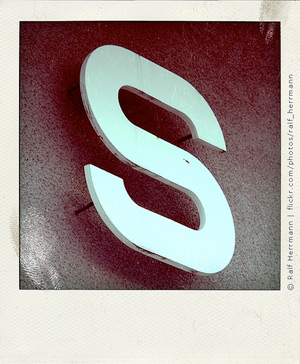
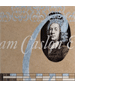
More than just another image collection, HistoricType plans to be an online research library for students, professionals and scholars – concentrating on non-print typography, lettering used for old signs and buildings throughout the US.
HistoricType is edited by Laura Franz and Anna Dempsey; programmed by Randy Apuzzo/Jetscram Design and funded thru a grant from the University of Massachusetts Dartmouth.
Collection: Downtown, USA; Location: Grafton, West Virginia
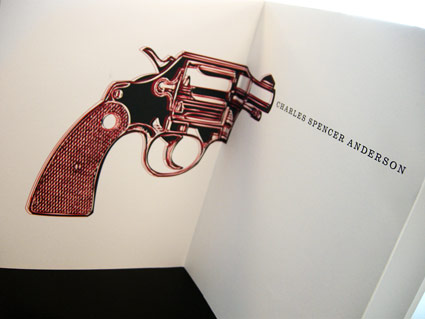
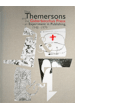
Every time I teach a publication design course, I assign a famous designer (or other acclaimed individual) as a biographical research subject. As part of the class, students have to do their own research, write their own text and design their own book.
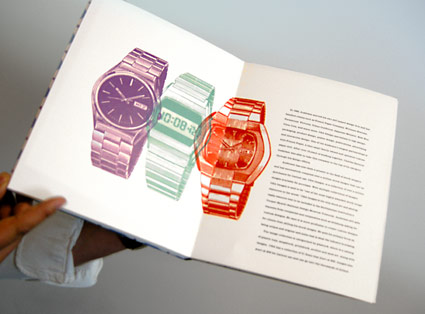
Back in the 1980s, Charles S. Anderson pioneered ‘bonehead’ design, which involved a midwestern attitude and lots of clip art. Art Institute of California Sacramento graphic design student Trixy Riggan ran with it, developing the handmade biographical tome pictured.
On the side, Trixy runs a clothing company, Fabulously Butch. I still have to snag one of her shirts. I’m told there would be irony in me wearing one.
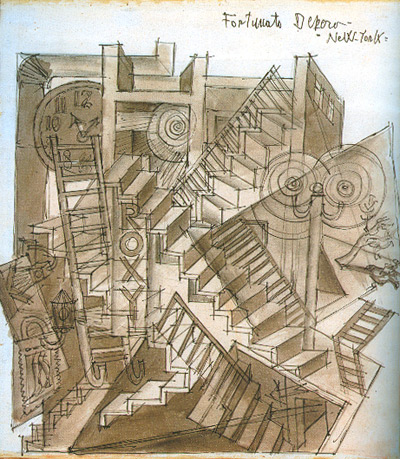
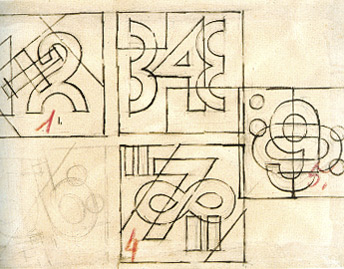
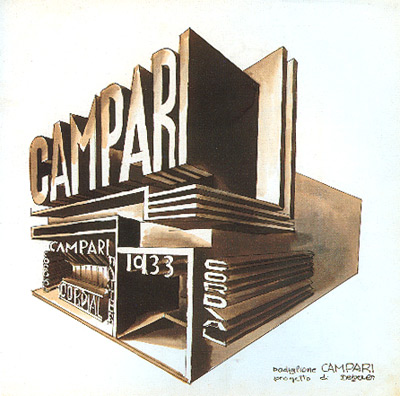
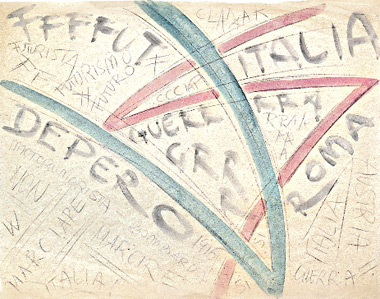
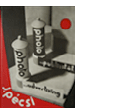
I finally made it over to the Depero 50 exhibit at the Italian Cultural Institute in San Francisco. Discovered many of Fortunato Depero’s originals were an interesting mix of ink washes. Above is his view of NYC from 1930. When he finally visited the overgrown metropolis, it wasn’t the Futurist utopia he’d imagined. Also below, the number composition is a sketch for a series of Futurist pillows.
A great exhibition catalog can be had for only 20 bucks – and thanks to the docents for all their help. Show details.
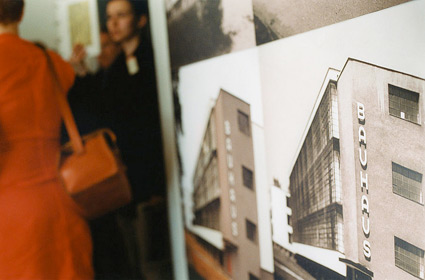
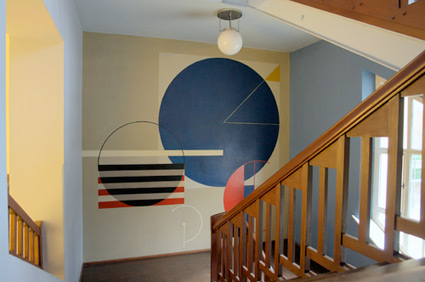
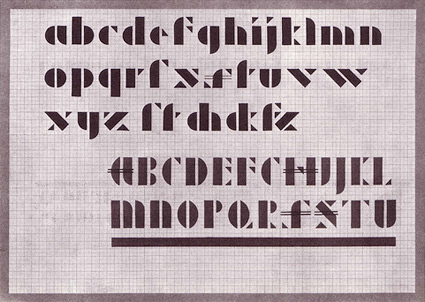
One evening this past June, I went a bit crazy and tweeted a bunch of Bauhaus links. In honor of the design school’s 90th anniversary (founded 1919). History, photosets, auctions, bicycles, fonts, coffee, the Mexican bauhaus, anything interesting I could find online.
”It’s a Haushold word, the Bauhaus, but a misunderstood one. Its influence is all around us, from Ikea furniture to glass skyscrapers, but it is credited – and blamed – for much more than it should be.’ -Candace Jackson, Wall Street Journal
The bauhaus was about advanced thinking in design, and it has its successes and failures. It was a great experiment and it changed the world. Its influence can be seen in everything today.
Workshops for Modernity: Bauhaus 1919-1933 just opened in NYC. And the exhibition is about going beyond the basics, show how far reaching the school actually was.
WSJ article here. Exhibition info here. Catalog here. TIME magazine video here. Show runs thru January 25, 2010.
This year is the 90th anniversary of the bauhaus (1919-33). And workshops – titled ‘get on site’ – were held this past summer in Dessau. Here’s a photo gallery.
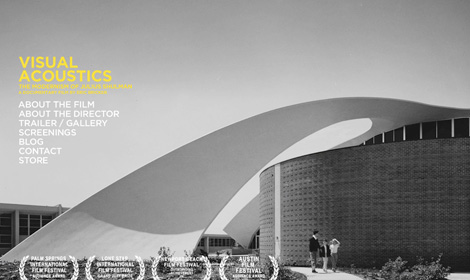
Visual Acoustics, the new documentary profiling modernist photographer Julius Shulman (1910-2009) is now screening in select locations around the country.